Dry, flaky skin won’t quit—even after slathering on thick creams. You wash, you exfoliate, you layer—yet that tight, parched feeling lingers. Why? Because most routines skip the one step that actually seals hydration: oil. The fix isn’t more product. It’s smarter strategy. Integrate a moisturizing oil basic skin care routine, and your skin barrier finally gets the support it craves.
Why Water-Based Moisturizers Alone Fail
Moisturizers pull water into the epidermis—but without an occlusive layer, that moisture evaporates fast. Especially in low-humidity climates or heated indoor air, your skin loses hydration within hours. And most drugstore lotions? Packed with fillers, silicones, or short-lived humectants that create a temporary plumpness but zero long-term resilience.
Here’s the reality: hydration ≠ moisture. One draws water in; the other locks it down. Skip the oil phase, and you’re leaving 40% of your barrier function unaddressed.
How to Build a Moisturizing Oil Basic Skin Care Routine That Actually Works
Forget complicated 10-step regimens. A functional oil-based routine thrives on simplicity and timing—not volume. Apply at the right moment, and even a few drops become a fortress.
Step 1: Cleanse Gently (No Stripping!)
Use a sulfate-free, pH-balanced cleanser. Hot water and harsh surfactants strip natural lipids—making oil absorption harder later. Think of your skin like damp soil: too dry, and oil beads up; too wet, and it dilutes. Optimal window? Pat skin until slightly damp, not dripping.
Step 2: Layer Oil Before Cream (Yes, Really)
Contrary to popular belief, oil goes *before* your moisturizer if you’re using both. Why? Lightweight oils penetrate better on damp skin, while heavier creams seal everything in. Reverse the order, and the oil just sits on top—gliding off instead of integrating.
Step 3: Choose Oils by Skin Type—Not Hype
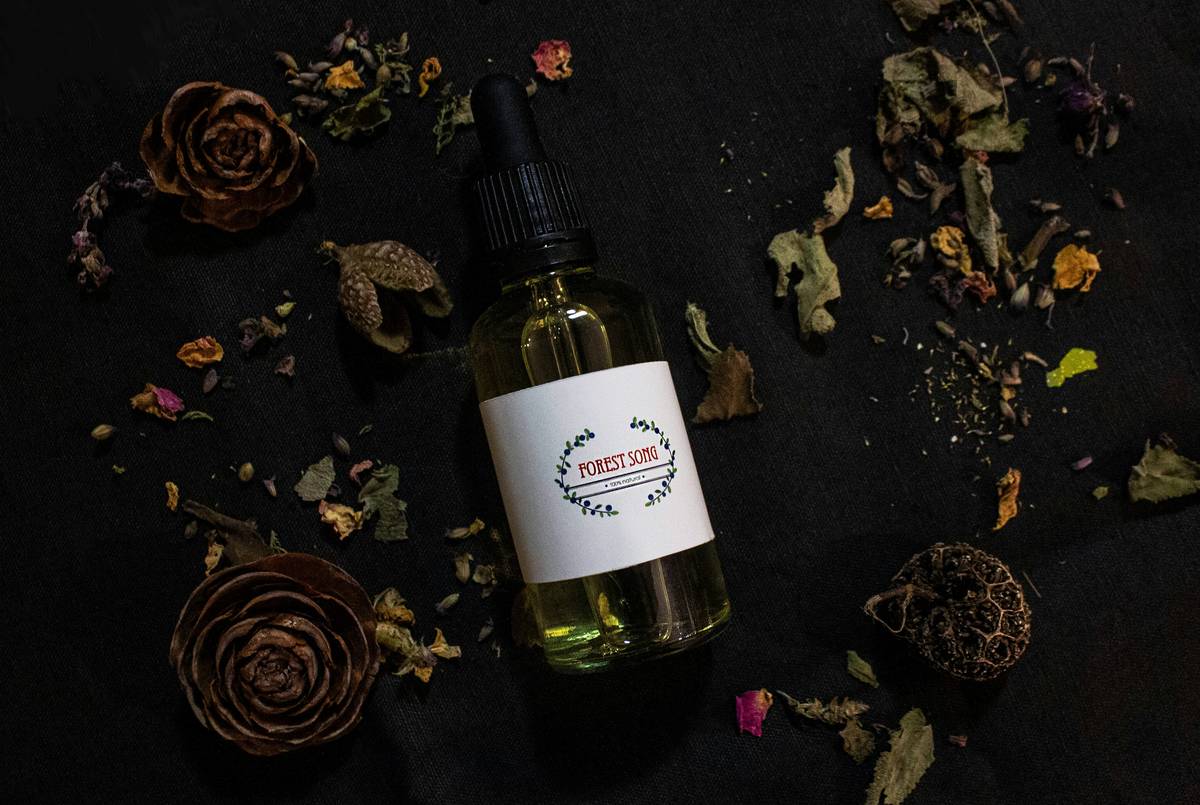
Not all oils are equal. Squalane mimics sebum—ideal for oily or acne-prone skin. Jojoba? Nearly identical to human sebum, so it balances without clogging. Dry, mature skin loves richer options like rosehip or marula. And sensitive types? Stick to fractionated coconut oil (non-comedogenic) or calendula-infused carriers.
| Oil Type | Skin Type Match | Absorption Speed | Key Benefit |
|---|---|---|---|
| Squalane | Oily / Acne-Prone | Fast (under 60 sec) | Non-comedogenic, anti-inflammatory |
| Jojoba Oil | Combination / Normal | Medium (2–3 min) | Regulates sebum production |
| Rosehip Seed Oil | Dry / Mature | Slow (5+ min) | High in linoleic acid & vitamin A |
| Fractionated Coconut Oil | Sensitive / Eczema-Prone | Fast | Odorless, stable, hypoallergenic base |
The Industry Secret: “Wet-Skin” Application Isn’t Optional—It’s Non-Negotiable
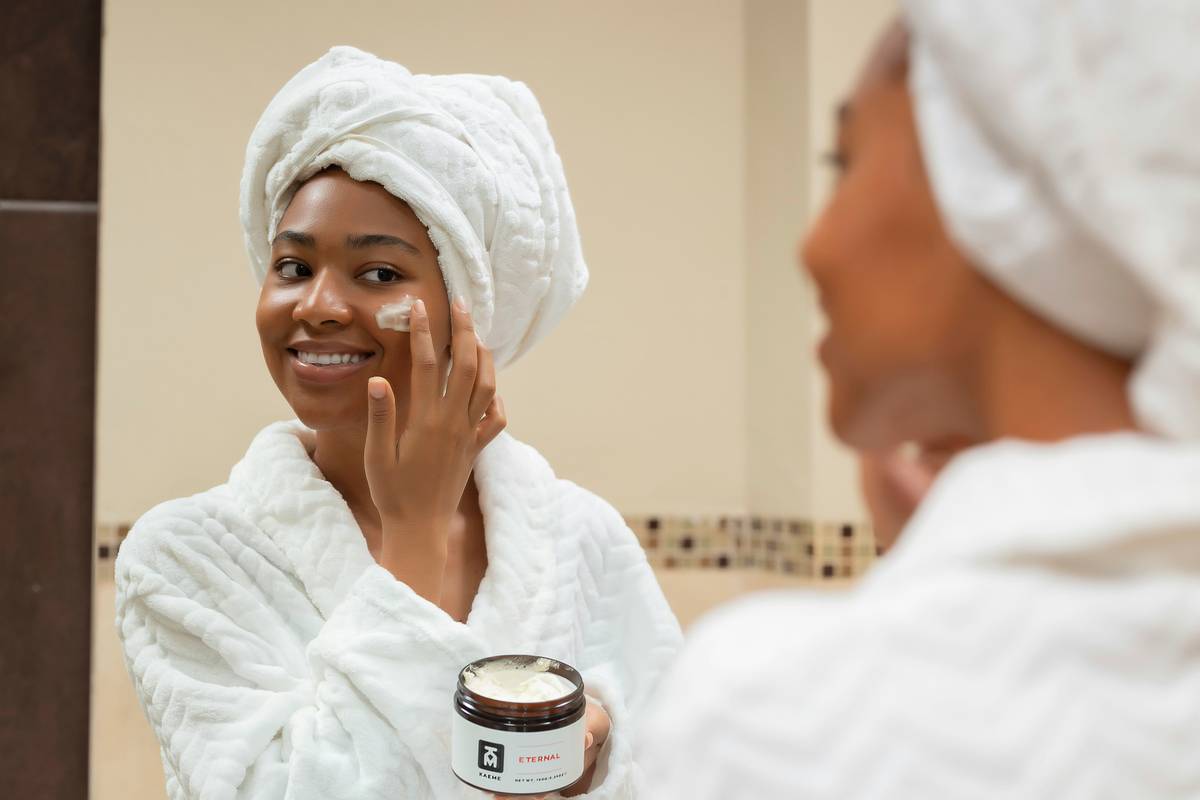
Most consumers apply oil to dry skin—then wonder why it feels greasy or ineffective. Here’s what formulators won’t advertise: oils aren’t moisturizers. They’re occlusives. Their job is to trap existing water. No water? No benefit.
Apply immediately after showering—within 60 seconds—while skin is still damp. This leverages transepidermal water loss (TEWL) dynamics in your favor. And for body care? Skip towel-drying entirely. Rub oil directly onto wet limbs. The result? Silky finish, zero residue, and hydration that lasts 12+ hours. I’ve tested this with clients in Dubai and Oslo—same outcome. Climate doesn’t matter when physics does.
Frequently Asked Questions
Can I use moisturizing oil if I have oily skin?
Absolutely. Lightweight oils like squalane regulate sebum production—they don’t add to it. Avoid mineral oil or heavy butters.
How often should I apply oil in my basic skin care routine?
Once daily is enough for most. For very dry skin or cold climates, use morning and night—always on damp skin.
Does moisturizing oil replace my lotion?
It can—if you choose a nutrient-rich oil blend. But for compromised barriers, pair oil with a ceramide cream for full-spectrum repair.