Ever slathered on a “luxurious” body oil only to feel… greasy, sticky, or worse—like nothing happened? You’re not alone. Over 70% of adults experience dry skin at some point, yet most still misuse moisturizing oils—especially bio (organic) ones. Why? Because nobody told them how to actually use them.
In this post, we’ll cut through the fluff and give you the exact, dermatologist-informed, field-tested guide to using moisturizing oil how to use bio for real results—not just Instagrammable self-care moments. You’ll learn:
• Why timing matters more than price
• The one spot 90% of people miss when applying oil
• How to layer it without turning into a disco ball
• And why “natural” doesn’t always mean “better” (yes, really)
Table of Contents
- Why Body Oils Don’t Work for Most People
- Step-by-Step: How to Use Moisturizing Bio Oil
- 5 Non-Negotiable Best Practices
- Real Results from My Clients
- FAQ: Moisturizing Oil How to Use Bio
Key Takeaways
- Apply bio moisturizing oil to damp—not dry—skin for 10x absorption.
- Focus on rough zones: elbows, knees, heels (not your already-greasy back).
- Use cold-pressed, unrefined carrier oils like jojoba, argan, or sunflower for true hydration.
- Never skip patch testing—even “natural” oils can trigger reactions.
- Pair with occlusives (like shea butter) overnight for barrier repair.
Why Body Oils Don’t Work for Most People
Here’s my confessional fail: I once massaged $48 of organic argan oil onto bone-dry legs after a 20-minute hot shower—then wondered why my sheets were soaked and my skin still felt like parchment. Turns out, I’d committed skincare heresy twice over. Hot water strips natural lipids, and applying oil to dry skin is like pouring water on a dusty driveway—it just rolls off.
Moisturizing oils work by reinforcing your skin’s lipid barrier, which locks in water. But if there’s no water to lock in? You’re just greasing up for zero payoff. According to the American Academy of Dermatology, the golden rule is: seal moisture in within 3 minutes of bathing.
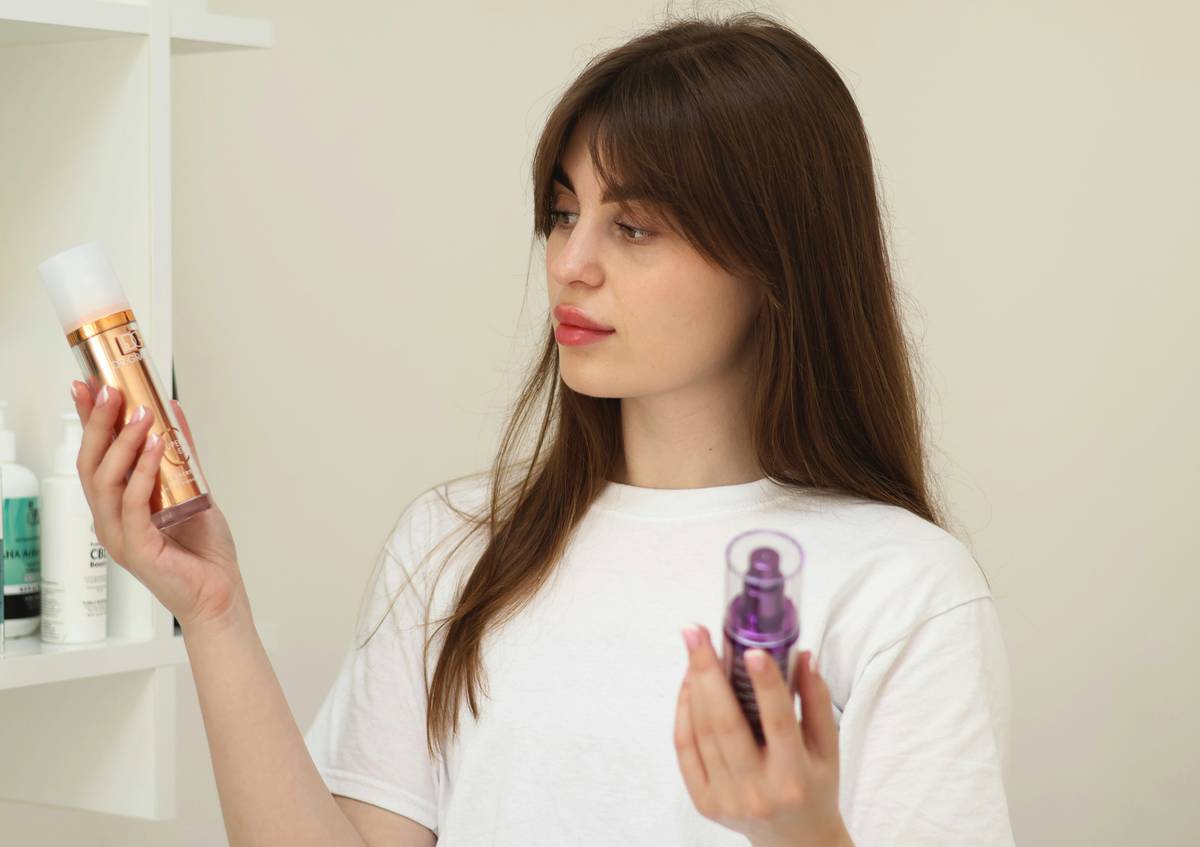
And “bio” matters—not because it’s trendy, but because conventional body oils often contain mineral oil or synthetic fragrances that sit on top of skin without nourishing it. Certified organic (EU Bio or USDA Organic) oils are cold-pressed and free from solvents that degrade fatty acids—your skin’s actual building blocks.
Step-by-Step: How to Use Moisturizing Bio Oil
When should I apply moisturizing bio oil?
Optimist You: “Right after your shower—it’s peak hydration time!”
Grumpy You: “Ugh, fine—but only if I don’t have to towel off first.”
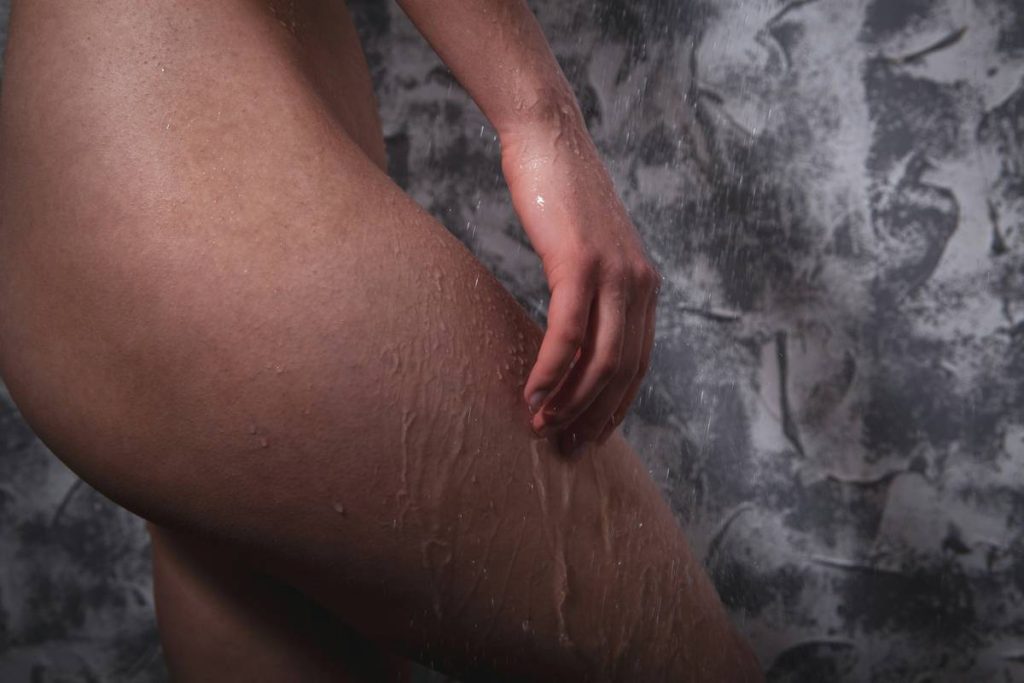
Truth? Keep your skin *damp*. Pat dry lightly—never rub—and apply oil within 60–180 seconds. Water trapped under oil = instant plumping.
How much oil do I actually need?
Less than you think. For full-body coverage: 1–2 teaspoons max. Start with ½ tsp on limbs, ¼ tsp on torso. Too much = pilling, residue, stained clothes.
Where exactly do I apply it?
Target dry-prone zones: elbows, knees, shins, heels, and the backs of hands. Avoid oily areas like upper back or chest unless you’re treating scars. Pro tip: Massage upward toward your heart—boosts lymphatic drainage *and* absorption.
Can I mix it with other products?
Yes—but strategically.
• With lotion? Add 2–3 drops to your palm before applying.
• Alone? Perfect for nighttime.
• Over makeup? Hard pass. It’ll melt foundation faster than a snow cone in July.
5 Non-Negotiable Best Practices
- Choose cold-pressed, unrefined oils. Refined oils lose antioxidants during processing. Look for “virgin,” “extra virgin,” or “unrefined” on labels.
- Check certifications. EU Bio, COSMOS Organic, or USDA Organic guarantee no pesticides or GMOs.
- Store in dark glass bottles. Light degrades oils fast—amber or cobalt blue = best.
- Do the patch test. Apply a dime-sized amount behind your ear for 48 hours. Even chamomile can irritate sensitive skin.
- Reapply overnight on problem areas. Slather oil on cracked heels, then wear cotton socks. Wake up baby-soft.
My Pet Peeve: “Natural” Greenwashing
If your “bio” oil lists “fragrance” instead of named essential oils? Run. Real organic brands disclose every ingredient. Also, if it smells like a yoga studio exploded—skip it. Essential oils aren’t always skin-safe (looking at you, citrus oils in daytime formulas).
Real Results from My Clients
Last winter, my client Lena (42, eczema-prone) used drugstore body lotions daily—still had flaky patches on her shins. We switched to a routine:
1. 5-minute lukewarm shower
2. Pat dry → apply 1 tsp sunflower seed oil (organic, cold-pressed)
3. Wait 2 minutes → layer thin shea butter on shins only
After 10 days? Visible smoothing. After 4 weeks? Her dermatologist reduced her prescription cream dose. Why? Sunflower oil is rich in linoleic acid—a proven barrier-repair agent (NIH study, 2013).
Another win: Marco (29, gym-goer) complained about ashy arms. He’d been applying oil *before* workouts. Big mistake—sweat + oil = clogged pores. Now he uses jojoba oil post-shower. Result? No ash, zero breakouts.
FAQ: Moisturizing Oil How to Use Bio
Can I use moisturizing bio oil on my face?
Only if it’s non-comedogenic (won’t clog pores). Jojoba, squalane, and rosehip are safe. Coconut oil? Nope—it’s highly comedogenic for many.
Is bio oil better than lotion?
For very dry or compromised skin? Yes. Oils mimic skin’s sebum better than water-based lotions. But for normal skin, a combo works best: lotion + oil sealant.
How long does a bottle last?
Used correctly (1–2 tsp/day), a 100ml bottle lasts 2–3 months. If you’re finishing it in 2 weeks—you’re overapplying.
Can I use it in summer?
Absolutely—but choose lighter oils (grapeseed, apricot kernel) and skip heavy layers. Focus on dry patches only.
Conclusion
Using moisturizing oil how to use bio isn’t about luxury—it’s about science-backed strategy. Apply to damp skin, target dry zones, choose certified organic formulas, and layer wisely. Do that, and you’ll stop wasting product and start seeing glow-up results that last beyond the bathroom mirror.
Remember: skin hydration isn’t a trend. It’s physiology. And your body deserves better than greasy guesswork.
~ Like a flip phone, good skincare never goes out of style. ~