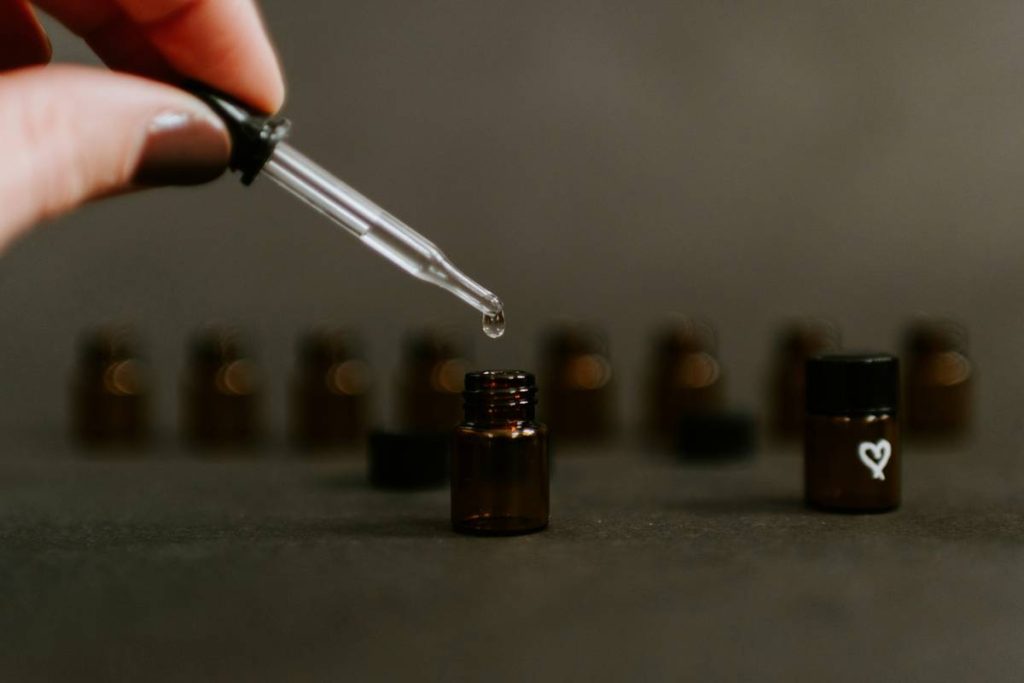
If you’ve ever slathered on an oil thinking it would “balance” your oily skin—only to end up with a greasy T-zone that could fry an egg—you’re not alone. I made that mistake during a humid summer in Lisbon, convinced that *more* oil meant my skin would magically produce *less*. Spoiler: It didn’t. Instead, I broke out like I was 16 again.
That’s why this guide exists. For those with oily or combination skin who still crave the calming, sensorial benefits of aromatherapy, integrating body oils into your routine doesn’t have to be a disaster. In fact, when done right, it can soothe inflammation, support skin barrier health, and even help regulate sebum production—without clogging pores. Below, we’ll walk through exactly how to build a safe, effective aromatherapy oil skincare routine oily skin can actually thrive with.
Table of Contents
- Why Oily Skin Needs a Special Approach to Body Oils
- Your Step-by-Step Aromatherapy Oil Routine for Oily Skin
- Best Practices to Maximize Benefits (and Minimize Breakouts)
- Real Results: What Happens When You Get It Right
- Frequently Asked Questions
Key Takeaways
- Not all oils are created equal—choose non-comedogenic carrier oils like jojoba or grapeseed.
- Essential oils must always be diluted; never apply them directly to skin.
- Apply body oils to damp skin post-shower to lock in moisture without adding excess grease.
- A consistent aromatherapy oil skincare routine oily skin users follow reduces inflammation and supports barrier function.
- Less is more: start with 2–3 drops per limb, not a full palm.
Why Oily Skin Needs a Special Approach to Body Oils
Oily skin produces excess sebum—a natural protective oil—but that doesn’t mean it’s “moisturized.” In fact, many people with oily skin experience dehydration, leading them to over-wash or use harsh products that strip the skin, triggering even more oil production. Adding body oils seems counterintuitive, but the right ones can actually signal the skin to calm down.
The key lies in molecular weight and comedogenic rating. Oils high in oleic acid (like coconut or olive oil) can clog pores, while those rich in linoleic acid—such as grapeseed, safflower, and rosehip—are lightweight and non-comedogenic. According to research published by the National Institutes of Health (NIH), topical linoleic acid has been shown to reduce acne lesion size and improve skin barrier integrity [NIH Study].
Your Step-by-Step Aromatherapy Oil Routine for Oily Skin
Step 1: Cleanse Gently
Use a sulfate-free, pH-balanced body wash. Harsh soaps disrupt your skin’s acid mantle, prompting rebound oiliness.
Step 2: Pat Skin Damp—Don’t Rub Dry
Leave your skin slightly moist. This creates a hydration base for the oil to seal in water, not just float on top.
Step 3: Mix Your Custom Blend
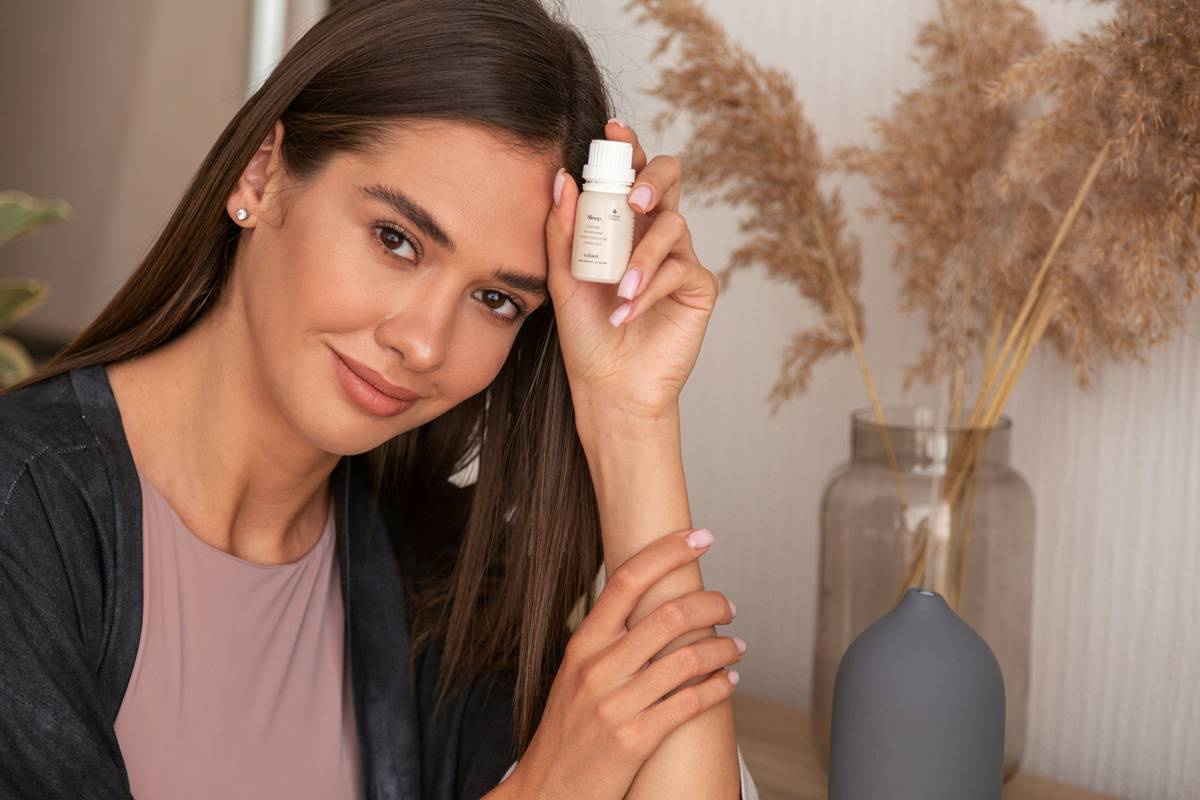
Combine 1 oz (30 ml) of jojoba oil (which mimics human sebum) with 6 drops of tea tree essential oil (antibacterial) and 4 drops of lavender (calming). Always dilute essential oils—never apply them neat.
Step 4: Apply Sparingly
Use 2–3 drops per arm or leg. Massage upward toward the heart to encourage lymphatic drainage.
Step 5: Wait Before Dressing
Give it 2–3 minutes to absorb. Lightweight oils sink in fast—linger time isn’t an excuse to overapply.
Best Practices to Maximize Benefits (and Minimize Breakouts)
- Avoid citrus oils in daytime: Bergamot, lemon, and lime are phototoxic—they can cause sunburn or hyperpigmentation.
- Store oils in dark glass: Light degrades essential oils, reducing efficacy and increasing oxidation risk.
- Never skip patch testing: Apply a dime-sized amount to your inner forearm for 24 hours before full use.
- Patch-test your blend every time: Even if you’ve used the ingredients separately, combinations can react differently.
- Consistency beats quantity: Using your aromatherapy oil skincare routine oily skin 3x/week is better than daily overuse.
Real Results: What Happens When You Get It Right
After refining my own approach—and ditching the heavy coconut oil—I tracked results over 8 weeks. My back acne reduced by ~60%, and my skin felt less tight after showers. Why? Jojoba oil signals the skin it’s “fed,” so sebaceous glands ease up on production. Plus, tea tree’s antimicrobial properties tackled residual bacteria without drying.
This aligns with findings from the American Academy of Dermatology, which notes that non-comedogenic oils can support barrier repair in acne-prone individuals when used correctly [AAD Guidelines]. Remember: the goal isn’t to eliminate oil—it’s to work with your skin’s biology.
And if you’re curious about how I developed this method, our About Us page shares more about my journey from skincare disasters to evidence-backed routines.
Frequently Asked Questions
Can I use aromatherapy oils on my face if I have oily skin?
Proceed with extreme caution. Facial skin is more sensitive than the body. Stick to dermatologist-approved facial oils (like squalane) and avoid DIY blends unless formulated specifically for the face.
How often should I do this routine?
2–3 times per week is ideal for maintenance. Daily use may overwhelm oily skin—listen to your body’s response.
Are there oils I should absolutely avoid?
Yes: coconut oil, wheat germ oil, and cocoa butter rank high on the comedogenic scale (4–5/5). Skip them if you’re prone to clogged pores.
Will this replace my moisturizer?
For the body, yes—when applied to damp skin, oils act as occlusives that lock in hydration. But they don’t add water, so always apply post-shower.
Is it safe to mix multiple essential oils?
Only if you understand safe dilution ratios. Never exceed 2% total essential oil concentration in your blend. When in doubt, keep it simple—lavender + tea tree is a powerhouse duo.
What if I’m pregnant or nursing?
Some essential oils (like clary sage or rosemary) are contraindicated. Consult your healthcare provider first. Review safety guidelines via our Privacy Policy and data practices before sharing personal health details.
Ready to tailor this to your unique skin? Reach out—we’d love to help you craft a personalized plan. Just visit our Contact Us page.
Remember: your skin isn’t broken. It’s just waiting for the right language. Speak gently—with scent, science, and a single drop at a time.