Dry, flaky skin won’t quit—even after you’ve slathered on creams that promise “24-hour hydration.” You layer, you seal, you wait… only to wake up tight and dull again. The issue isn’t your effort—it’s your approach. Most routines ignore the lipid barrier’s true needs. Enter: a moisturizing oil perfect skin care routine. Not as an add-on—but as the anchor.
Why Lotions Keep Failing Your Skin
Commercial moisturizers are mostly water—up to 80%. That evaporates fast unless occlusives lock it in. And most don’t. They give quick slip, not lasting repair. Worse? Many contain alcohols or silicones that *feel* smooth but degrade your acid mantle over time.
Your skin doesn’t need more water. It needs smart lipids—fatty acids, ceramides, cholesterol—in ratios that mimic its natural composition. Oils deliver that. But not all oils behave the same. Slapping on coconut oil before bed might clog pores for some. Jojoba might feel too light for others. The mismatch is why people quit.
Building Your Moisturizing Oil Perfect Skin Care Routine
Pick your oil based on function—not fragrance. Then layer it strategically. Here’s how:
Match Your Oil to Your Skin Type—and Climate
Oily skin? Lightweight, non-comedogenic oils like squalane or grapeseed work best—they absorb without residue. Dry or mature skin thrives with richer oils: argan, marula, or rosehip packed with linoleic acid and antioxidants. In humid climates, go lighter. In dry winters, double down.
Apply to Damp Skin—Always
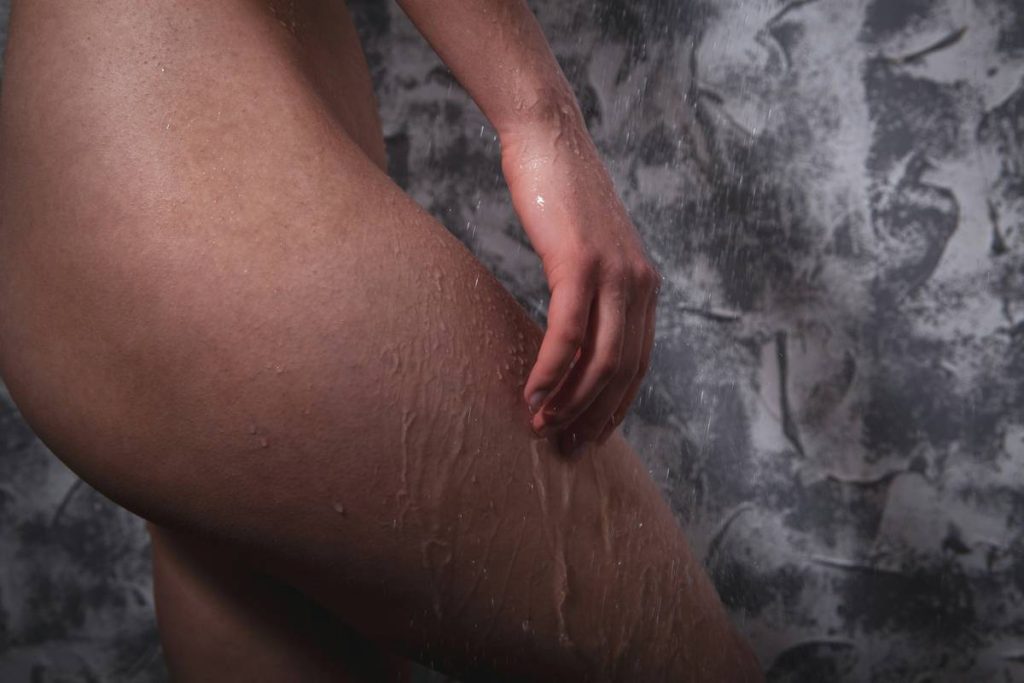
This is non-negotiable. Pat skin 70% dry after cleansing, then massage oil in. Why? Water trapped underneath gets sealed in by the oil—creating real, lasting hydration. Skip this step and you’re just greasing the surface.
Layer Under (Not Over) Creams—Sometimes
If you still use a cream, apply oil first. Oils are smaller molecules—they penetrate. Creams sit on top. Reverse that order and you block absorption. For very dry skin, try oil → cream → facial balm at night. For oily types? Oil alone may suffice.

| Oil Type | Skin Type Match | Key Benefits | Absorption Speed |
|---|---|---|---|
| Jojoba Oil | All (especially acne-prone) | Mimics sebum, anti-inflammatory | Fast (5-10 min) |
| Argan Oil | Dry, mature | Vitamin E, boosts elasticity | Medium (10-15 min) |
| Squalane | Sensitive, oily | Non-comedogenic, stabilizes barrier | Very fast (under 5 min) |
| Rosehip Oil | Dull, scarred, sun-damaged | Retinoids + essential fatty acids | Medium-slow (15+ min) |

The Industry Secret No Brand Wants You to Know
Most “body oils” sold today are diluted—cut with mineral oil, ethanol, or cheap carriers that reduce efficacy. The profit margin on 90% filler is enormous. Real results come from undiluted, cold-pressed, unrefined oils stored in amber glass. But here’s the twist: you don’t need expensive blends. A single high-quality oil—applied correctly—outperforms $80 serums. And rotating 2-3 oils seasonally prevents your skin from plateauing. Consistency beats complexity every time.
Frequently Asked Questions
Can I use moisturizing oil on my face too?
Yes—if it’s non-comedogenic (like squalane or jojoba). Avoid heavy oils like coconut if you’re prone to breakouts. Patch test first.
How often should I apply body oil?
Daily, right after showering. For very dry areas (elbows, heels), apply twice—morning and night.
Do moisturizing oils replace body lotion?
For most people, yes. Oils offer purer lipid support without fillers. If your skin feels tight with oil alone, layer a light lotion underneath.