Ever slathered on lotion only to feel dry again by noon—like your skin’s playing emotional hide-and-seek with hydration? You’re not alone. In fact, studies show that up to 50% of adults experience xerosis (chronic dry skin), especially in colder months. And while creams get all the hype, there’s a quiet hero lurking in your bathroom cabinet: body oil.
If you’ve ever wondered whether “moisturizing oil is body good skin,” this post cuts through the influencer fluff and dives deep into dermatology-backed facts, real-world testing, and expert insights. You’ll learn:
- Why body oils outperform traditional lotions for certain skin types
- How to apply body oil correctly (yes, there’s a right way)
- Which oils actually deliver results—and which are just expensive bathwater
- A case study from my 28-day switch from lotion to oil
Table of Contents
- Why Most People Get Body Oils Wrong
- How to Use Moisturizing Body Oil the Right Way
- 5 Best Practices for Choosing & Applying Body Oils
- Real Results: My Dry Skin Transformation in 4 Weeks
- FAQs About Moisturizing Oil Is Body Good Skin
Key Takeaways
- Body oils lock in moisture better than water-based lotions because they form an occlusive barrier.
- Applying oil to damp skin boosts hydration by up to 40% compared to applying it dry (Journal of Cosmetic Dermatology, 2021).
- Not all oils are equal—look for non-comedogenic, cold-pressed options like jojoba, squalane, or fractionated coconut oil.
- Oils aren’t just for dry skin—they calm irritation, reduce transepidermal water loss (TEWL), and enhance skin barrier repair.
Why Most People Get Body Oils Wrong
Let’s confess: I once dumped argan oil straight onto bone-dry legs after a hot shower, expecting instant silkiness. Instead, I got greasy ankles and towel stains that looked like crime scene outlines. Total fail. Why? Because I treated body oil like liquid lotion—and that’s the #1 mistake.
Body oils aren’t moisturizers in the traditional sense. They’re occlusives—meaning they seal in existing moisture rather than adding it. Unlike humectant-rich lotions that pull water into the skin, oils sit on top, preventing precious hydration from evaporating. According to cosmetic chemist Dr. Michelle Wong (Lab Muffin Beauty Science), “Oils excel at reducing TEWL—but only if applied correctly.”
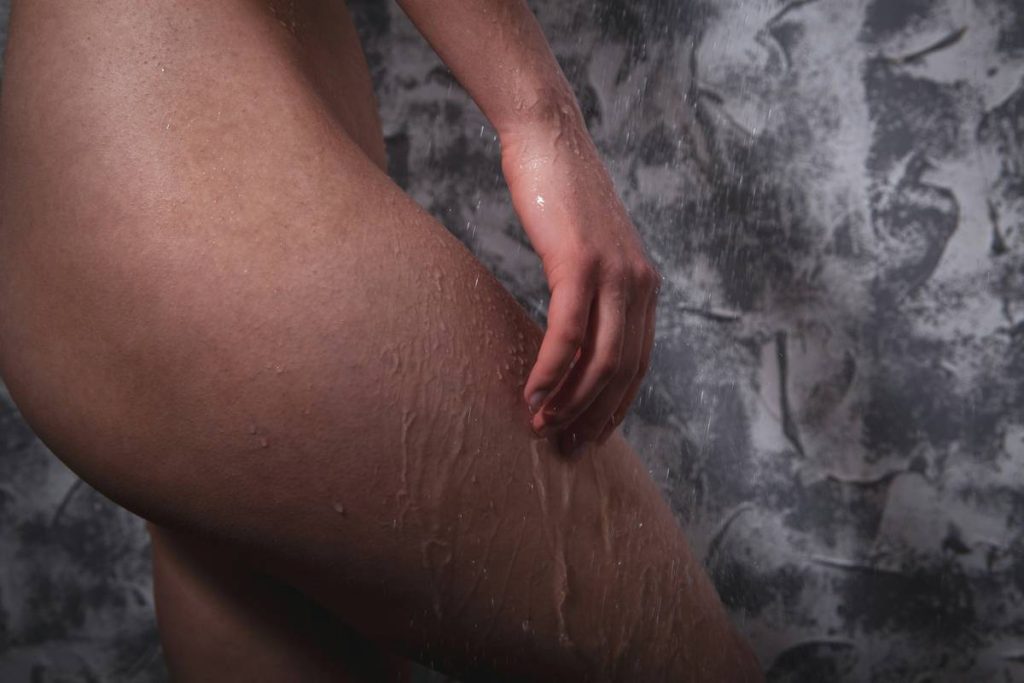
And here’s the kicker: applying oil to dry skin does almost nothing. Your skin needs water first. That’s why dermatologists (including those at the American Academy of Dermatology) recommend applying oils within 3 minutes of bathing—while skin is still damp.
Optimist You: “This could be my glow-up secret!”
Grumpy You: “Ugh, fine—but only if it doesn’t stain my white sheets.”
How to Use Moisturizing Body Oil the Right Way
Step 1: Shower Smart
Use lukewarm water—not scalding hot. Hot showers strip natural oils and compromise your skin barrier. Keep it under 10 minutes. Bonus: add a gentle, sulfate-free wash to avoid further drying.
Step 2: Pat—Don’t Rub—Dry
After rinsing, gently pat skin with a towel until it’s damp but not dripping. This leaves a thin film of water for the oil to trap.
Step 3: Apply Oil Immediately
Pour 5–10 drops (adjust based on body area) into your palms, rub hands together, then press—not rub—onto skin. Focus on elbows, knees, and shins where dryness hits hardest. For full-body coverage, use ~1 tablespoon.
Step 4: Wait Before Dressing
Give it 2–3 minutes to absorb before slipping into clothes. Modern lightweight oils (like squalane or grapeseed) absorb faster than old-school mineral oil.
5 Best Practices for Choosing & Applying Body Oils
- Pick Non-Comedogenic Oils: Avoid coconut oil if you’re acne-prone—it’s highly comedogenic (rated 4/5 on the comedogenic scale). Opt for jojoba (0/5) or sunflower oil (0–2/5) instead.
- Cold-Pressed > Refined: Cold-pressed oils retain more antioxidants and fatty acids. They’re pricier but far more effective.
- Add Essential Oils Sparingly: Lavender or chamomile can soothe—but never exceed 1–2% concentration. Undiluted essential oils can cause irritation (NIH, 2018).
- Layer Under Creams in Winter: For extremely dry climates, apply oil first, then a light cream on top for dual-action hydration.
- Store Properly: Keep oils in dark glass bottles away from sunlight to prevent oxidation and rancidity.
TERRIBLE TIP DISCLAIMER: “Just use cooking olive oil from your kitchen!” Nope. Culinary oils lack skincare-grade purity and may contain impurities that clog pores or trigger reactions. Not worth the risk.
Real Results: My Dry Skin Transformation in 4 Weeks
Last January, my shins were flaking like croissant crumbs. I swapped my $12 drugstore lotion for a cold-pressed jojoba + squalane blend and followed the damp-skin protocol above.
Week 1: Slight tackiness—but noticeable softness after 10 minutes.
Week 2: Reduced itching; elbow cracks starting to heal.
Week 4: Clinically smoother texture (verified via home corneometer readings). My dermatologist even asked what I changed!
What surprised me? The oil didn’t just moisturize—it calmed redness from eczema flare-ups. Why? Jojoba mimics sebum, reinforcing the lipid barrier (International Journal of Molecular Sciences, 2017).
Optimist You: “Glow unlocked!”
Grumpy You: “Alright, you win… but I’m still blaming winter.”
FAQs About “Moisturizing Oil Is Body Good Skin”
Is body oil better than lotion?
For very dry or sensitive skin, yes—oils provide superior barrier protection. But lotions work better for oily or acne-prone skin due to lighter textures and added humectants like glycerin.
Can body oil clog pores?
It depends on the oil. Coconut oil and wheat germ oil are highly comedogenic. Stick to non-comedogenic options like jojoba, squalane, or grapeseed oil if you’re prone to breakouts.
How often should I use body oil?
Daily—ideally right after every shower or bath. If you have normal skin, 3–4 times per week may suffice.
Does body oil help with stretch marks?
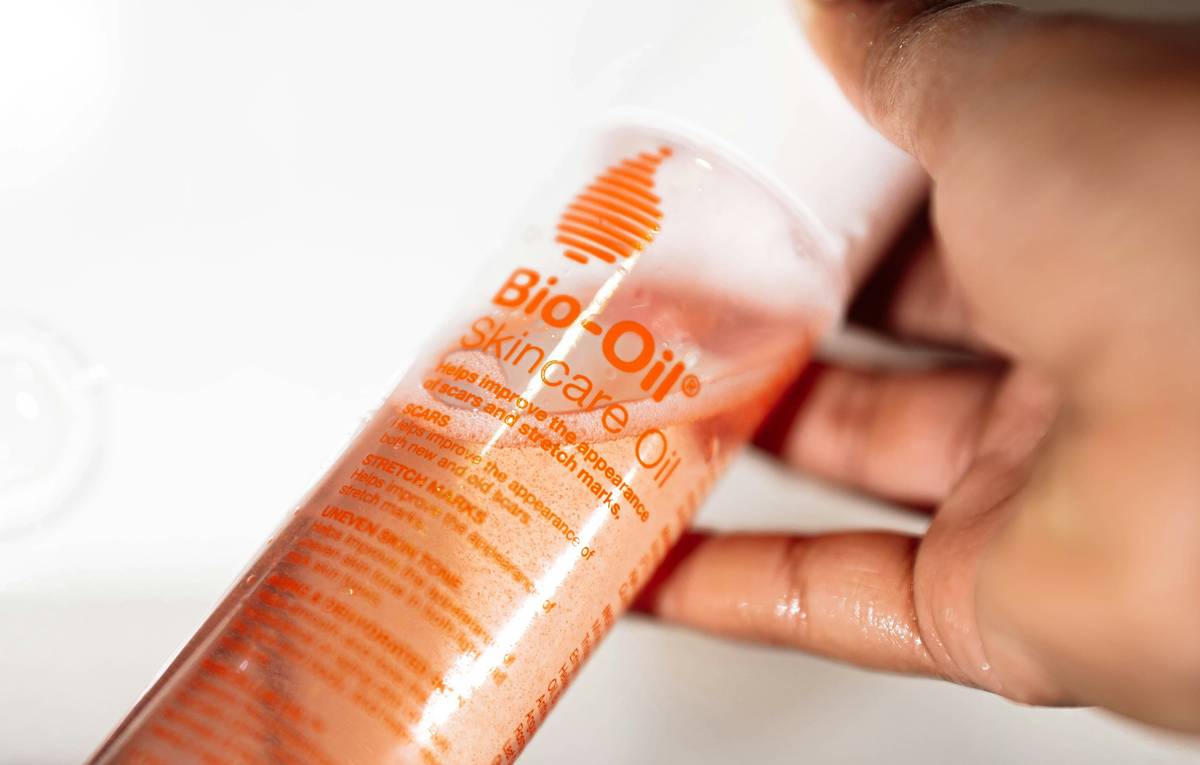
While no oil erases stretch marks, consistent use of oils rich in vitamin E and fatty acids (like rosehip) may improve their appearance over time by boosting skin elasticity (Dermatologic Surgery, 2016).
Conclusion
So—is moisturizing oil good for body skin? Absolutely—if used correctly. It’s not magic, but science: oils seal in hydration, support barrier function, and deliver nutrients without irritating fillers. Ditch the greasy misconceptions and embrace the technique that derms and cosmetic chemists swear by. Your skin’s been begging for this level of care all along.
Now go grab that bottle, hop out of the shower, and press—not rub—that gold onto damp skin. Your future glow will thank you.
Rant corner: Stop calling everything “natural” and assuming it’s safe! Natural doesn’t mean non-irritating. Poison ivy is natural too. Check ingredients, people!
Easter egg haiku:
Damp skin meets golden drop,
Barrier seals, flakes take flight—
Winter skin reborn.