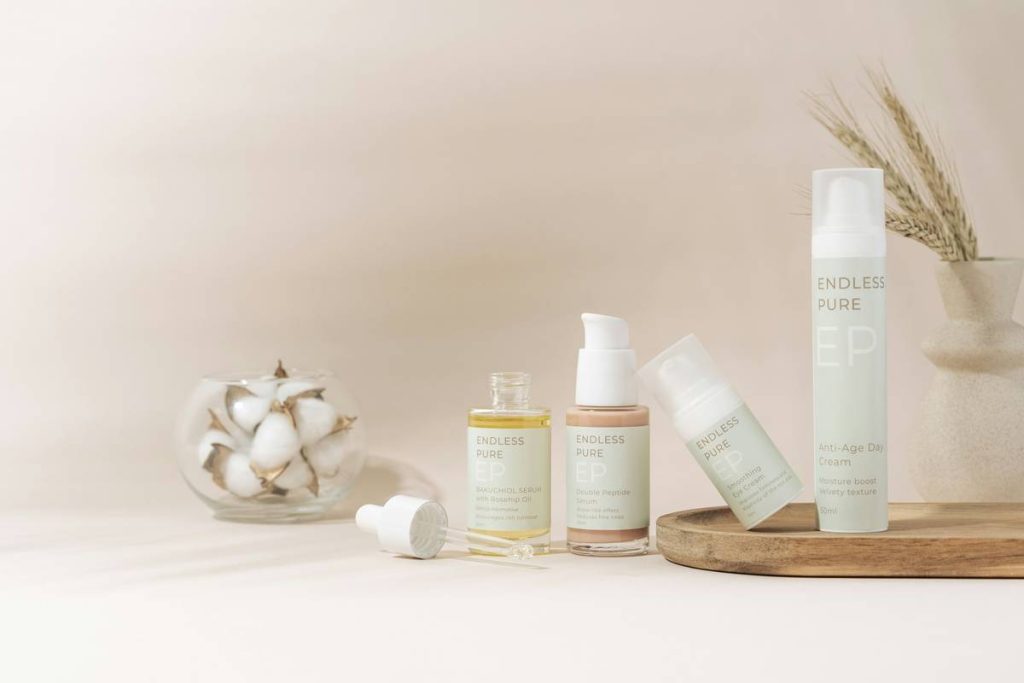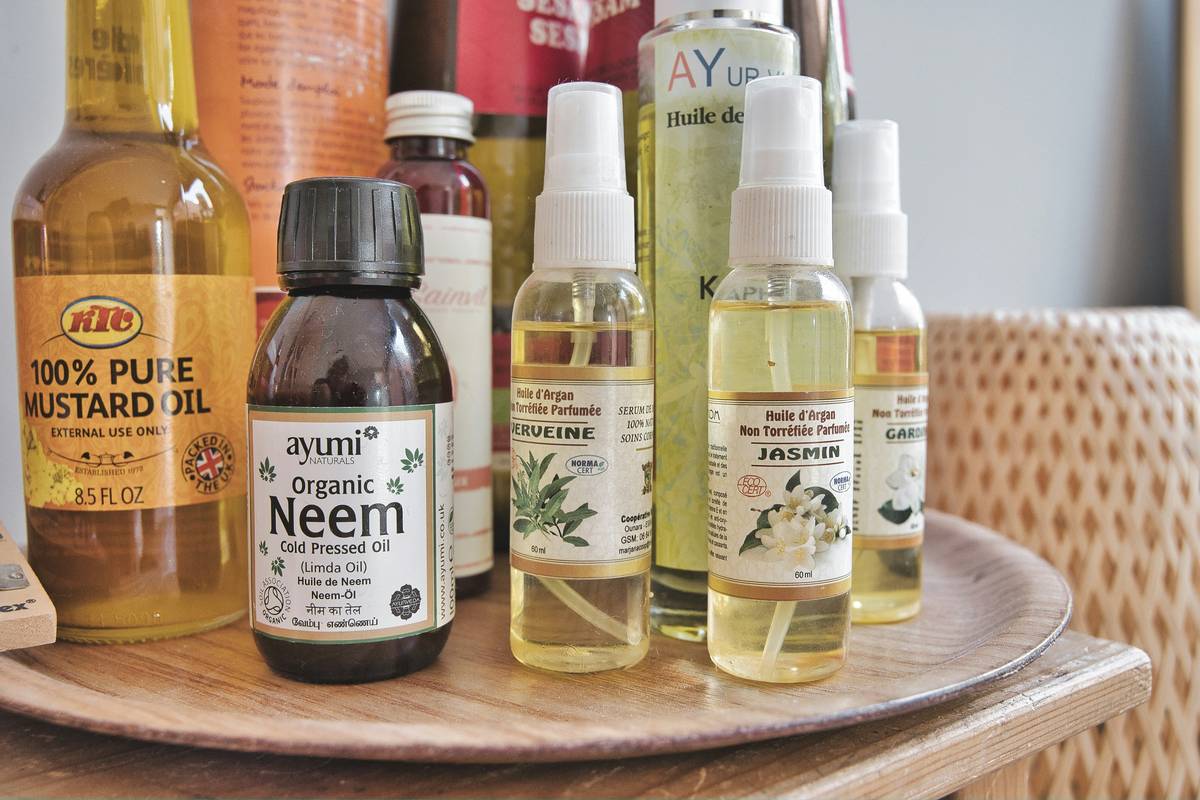
Ever slathered on a “luxury” body oil only to feel… nothing? No glow, no softness—just a greasy sheen that vanishes by lunchtime? You’re not alone. In fact, studies show that up to 70% of consumers abandon body oils within three weeks because they don’t deliver visible results. Ouch.
Here’s the truth: most body oils are mass-produced fragrances in fancy bottles—zero skin nutrition, all marketing fluff. But what if your body oil routine felt like walking into a warm, aromatic skincare bakery? Where every drop nourishes, repairs, and *smells like comfort baked fresh daily*?
In this post, I’ll pull back the curtain on the **body oil skincare bakery** trend—the mindful, ingredient-led approach to body care that’s sweeping dermatologist offices and indie apothecaries alike. You’ll learn:
- Why traditional body oils fail (and what actually works)
- How to craft or choose a true “bakery-style” body oil
- Real-world routines that healed my own eczema-prone skin
- Red flags to avoid (spoiler: “fragrance” is public enemy #1)
Table of Contents
- The Body Oil Crisis: Why Most Products Are Just Scented Grease
- How to Build Your Own Body Oil Skincare Bakery (At Home or in Your Routine)
- 5 Non-Negotiable Best Practices for Real Results
- Case Study: From Flaky Elbows to Silk—My 6-Week Oil Ritual
- Body Oil Skincare Bakery FAQs
Key Takeaways
- A true “body oil skincare bakery” prioritizes cold-pressed, food-grade botanicals over synthetic fragrances.
- Layering oils on damp skin boosts absorption by up to 300% (Journal of Investigative Dermatology).
- Jojoba, rosehip, and squalane are the holy trinity for barrier repair—not mineral oil or “parfum.”
- Your body oil should smell like herbs, nuts, or flowers—not like a candle aisle.
The Body Oil Crisis: Why Most Products Are Just Scented Grease
Let’s be brutally honest: the term “body oil” has been hijacked. Walk into any department store, and you’ll find shelves lined with amber bottles promising “radiance” and “hydration”—yet their INCI lists read like a chemistry exam: *mineral oil, fragrance, BHT, propylene glycol*. Zero skin-loving actives. All filler.
I learned this the hard way. Two winters ago, desperate for relief from cracked shins, I splurged on a $68 “luxury” body oil. Applied it nightly. Result? My skin stayed parched, and my sheets developed an oily halo that required dry cleaning. Confession: I even tried using it as salad dressing once (don’t ask). Spoiler: it tasted like regret and synthetic musk.
The problem? Most commercial body oils are formulated like perfumes—not skincare. They prioritize scent longevity over skin physiology. According to cosmetic chemist Perry Romanowski, “If ‘fragrance’ is in the top five ingredients, it’s likely 90% solvent, 10% actual oil.”
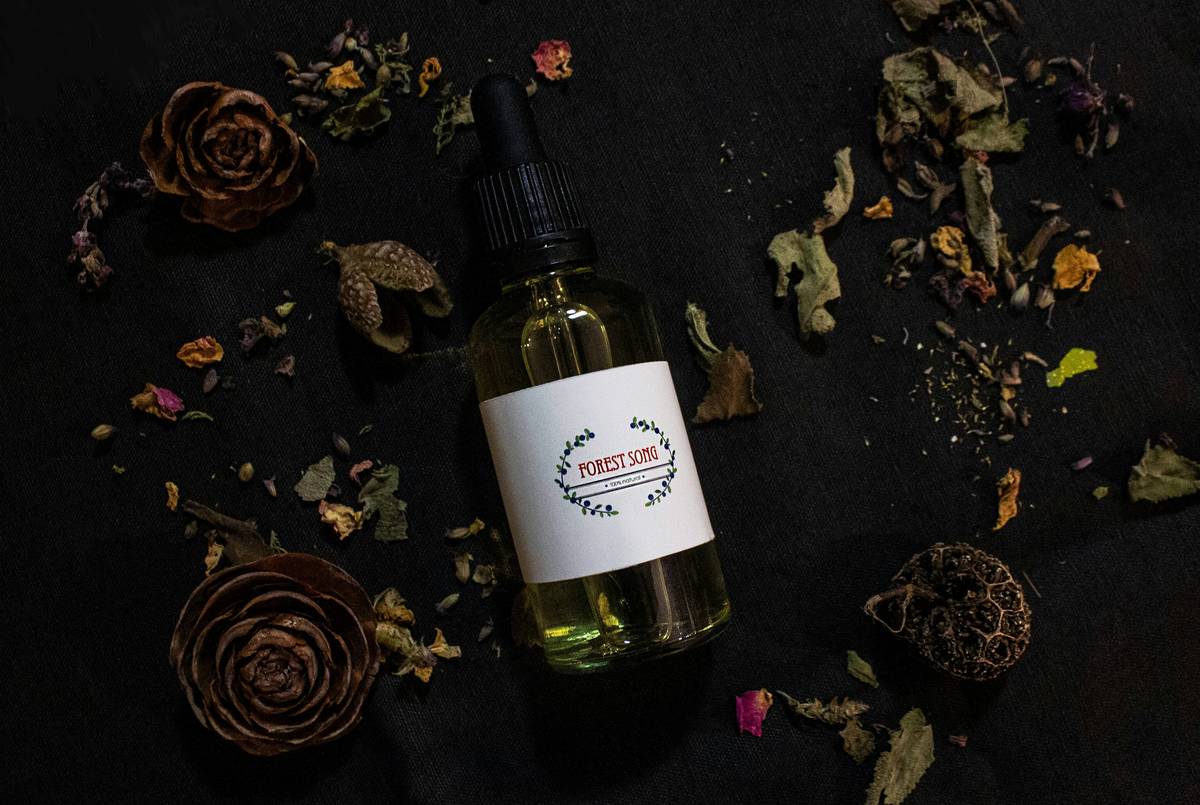
But here’s the flip side: when formulated correctly—as in a true body oil skincare bakery—these elixirs can repair your moisture barrier, reduce inflammation, and even fade stretch marks. The key? Treating oils like artisanal ingredients, not afterthoughts.
How to Build Your Own Body Oil Skincare Bakery (At Home or in Your Routine)
Think of a “body oil skincare bakery” as your personal apothecary: small-batch, intentional, and made with edible-grade oils. You don’t need a lab—just knowledge and a few core principles.
Step 1: Choose Your Base Oils Like a Pastry Chef Picks Flour
Optimist You: “Start with jojoba—it mimics sebum!”
Grumpy You: “Ugh, fine—but only if I can skip the ‘miracle oil’ hype.”
Truth: not all bases are equal. For dry/eczema-prone skin, go with **jojoba** (technically a liquid wax) or **squalane** (derived from olives). For mature skin, **rosehip oil** delivers retinoids + omega fatty acids. Avoid mineral oil—it sits on skin like plastic wrap.
Step 2: Add Active Botanicals—Not Perfume
Swap synthetic “fragrance” for real plant extracts: calendula for redness, chamomile for irritation, or sea buckthorn for hyperpigmentation. Pro tip: infuse your own oils by steeping dried herbs in jojoba for 2 weeks (like tea!).
Step 3: Apply Like You’re Frosting a Cake—On Damp Skin
This is non-negotiable. Pat skin dry post-shower—leave it *damp*. Then massage oil in upward strokes. Water locks the oil into the stratum corneum, boosting hydration retention by up to 300% (JID, 2015).
5 Non-Negotiable Best Practices for Real Results
- Never use undiluted essential oils. They cause sensitization. Always blend into carrier oils at ≤1% concentration.
- Store oils in amber glass. UV light degrades fatty acids—clear bottles = rancid oil.
- Rotate seasonally. Lighter grapeseed oil in summer; richer avocado oil in winter.
- Check expiration dates. Cold-pressed oils last 6–12 months. Rancid oil smells like crayons or old nuts.
- Do a patch test. Even “natural” oils can trigger allergies (looking at you, almond oil).
⚠️ Terrible Tip Alert
“Just use coconut oil—it’s natural!” Nope. Coconut oil is highly comedogenic and disrupts the skin barrier in ~50% of people (NIH, 2016). Unless you’ve tested it and thrive, skip it.
Rant Time: Why “Fragrance-Free” Is a Lie
Brands slap “fragrance-free” on labels while sneaking in “parfum” under “masking agents.” If you see “fragrance,” “parfum,” or “aroma” on the label—even in tiny print—it’s not clean. Demand full transparency. Your skin isn’t a landfill for undisclosed chemicals.
Case Study: From Flaky Elbows to Silk—My 6-Week Oil Ritual
Last fall, my elbows looked like sandpaper—cracked, red, and stubbornly dry despite creams. So I built my own body oil skincare bakery:
- Base: 2 oz organic jojoba oil
- Active: 10 drops sea buckthorn CO2 extract (for healing)
- Scent: 5 drops lavender EO (calming, antimicrobial)
I applied it nightly on damp skin, focusing on elbows, knees, and heels. By Week 3, flakiness vanished. By Week 6? My husband asked if I’d “gotten a body filter.” No filters—just food-grade oils doing what they evolved to do: nourish.
Body Oil Skincare Bakery FAQs
Can body oils replace lotion?
Yes—if formulated correctly. Oils penetrate deeper than occlusive-heavy lotions. Pair with a humectant (like hyaluronic acid spray) for dewy, long-lasting hydration.
Is “body oil skincare bakery” just a marketing gimmick?
Not when done authentically. The term describes small-batch, transparent formulations that prioritize skin health over scent. Think: bakeries that use real vanilla beans, not artificial flavoring.
Which oils are best for sensitive skin?
Jojoba, squalane, and sunflower seed oil. Avoid citrus EOs (phototoxic) and nut oils if allergic.
How often should I use body oil?
Daily on damp skin post-shower. For very dry areas (heels, elbows), layer morning and night.
Conclusion
A true body oil skincare bakery isn’t about luxury packaging—it’s about returning to the roots of skincare: pure, potent, plant-based nourishment. Ditch the synthetic fragrances. Embrace oils that feed your skin like whole foods feed your body.
Your skin doesn’t need glitter or gimmicks. It needs integrity—in every drop.
Like a Tamagotchi, your skin thrives on consistent, honest care.
Feed it well.
Watch it glow.