Dry, flaky skin won’t quit—even after you’ve slathered on thick creams. You layer serums, drink water like it’s your job, and still wake up tight and dull. The problem? Most routines skip the one step that actually mimics your skin’s natural lipid barrier: oil. A targeted moisturizing oil dermatologist skin care routine isn’t just luxury—it’s physiology.
The Illusion of Hydration: Why Lotions Fail Long-Term
Most body moisturizers rely on humectants like glycerin to pull water into the skin. Great—until humidity drops or you shower again. Without occlusives to seal that moisture in, it evaporates faster than you think. And heavy creams? They sit on top like plastic wrap, clogging pores without repairing the barrier.
Here’s the reality: skin doesn’t need more water alone. It needs lipids—fatty acids, ceramides, cholesterol—in the right ratios. That’s where body oils outperform every synthetic emulsion on drugstore shelves.
Building Your Moisturizing Oil Dermatologist Skin Care Routine
Forget one-size-fits-all advice. Your oil ritual should adapt to climate, lifestyle, and skin behavior—not marketing labels.
Selecting the Right Base Oils for Your Skin Type
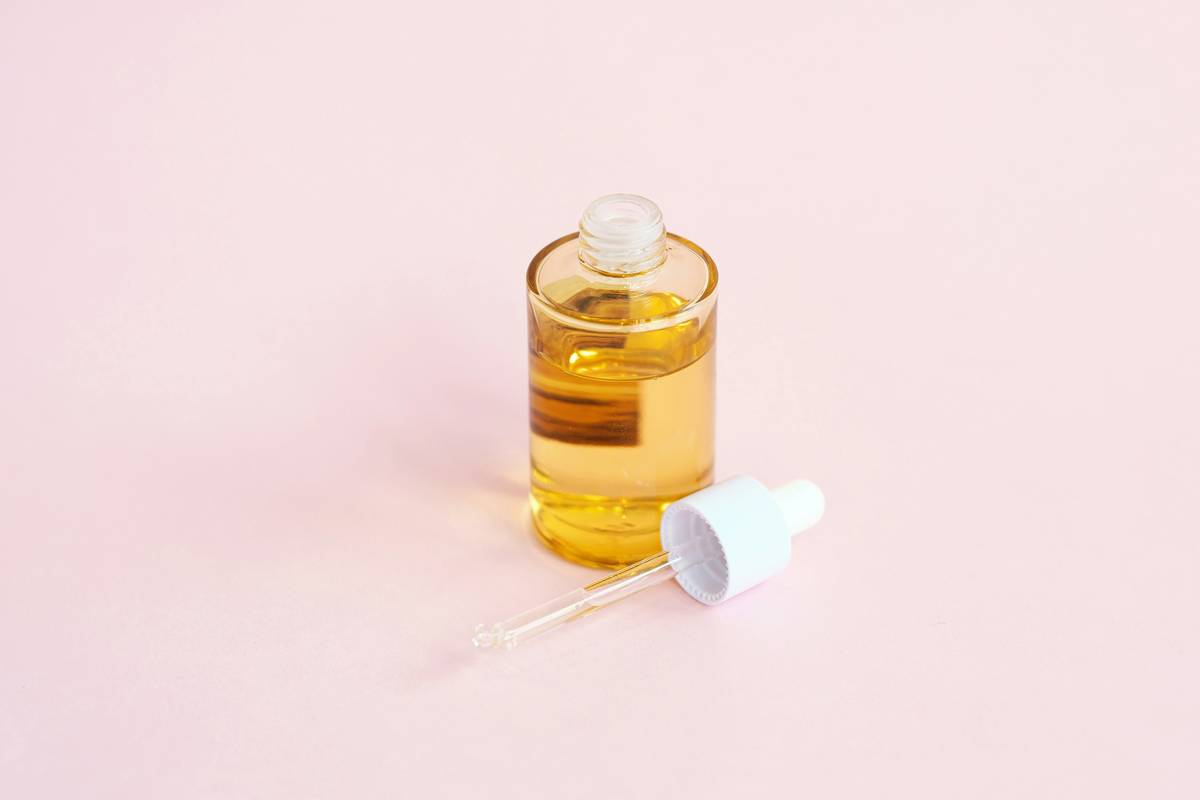
Not all oils are created equal. Squalane absorbs instantly for oily-prone skin. Jojoba mimics sebum—ideal for sensitive types. Dry, mature skin thrives on richer blends like avocado or marula. Patch test first. Always.
When—and How—to Apply for Maximum Retention
Apply oil to damp skin within 60 seconds post-shower. This locks in existing moisture while reinforcing the lipid matrix. Skip the towel-dry marathon. Pat lightly—then glide.
Layering With Other Actives (Without Causing Breakouts)
Oils play well with most actives—but order matters. Use exfoliating acids (like lactic or mandelic) at night, wait 10 minutes, then apply oil. Never layer heavy oils over retinoids unless your derm approves it. Lighter oils like rosehip? Usually safe.
| Oil Type | Best For | Absorption Speed | Comedogenic Rating |
|---|---|---|---|
| Squalane | Oily, acne-prone, sensitive | Fast (under 30 sec) | 0 |
| Jojoba | All skin types, especially reactive | Moderate (1-2 min) | 2 |
| Avocado | Very dry, mature, irritated | Slow (3-5 min) | 3 |
| Marula | Normal to dry, anti-aging focus | Medium-fast | 1-2 |
The Industry Secret: Cold-Processed Oils Beat “Purity” Claims
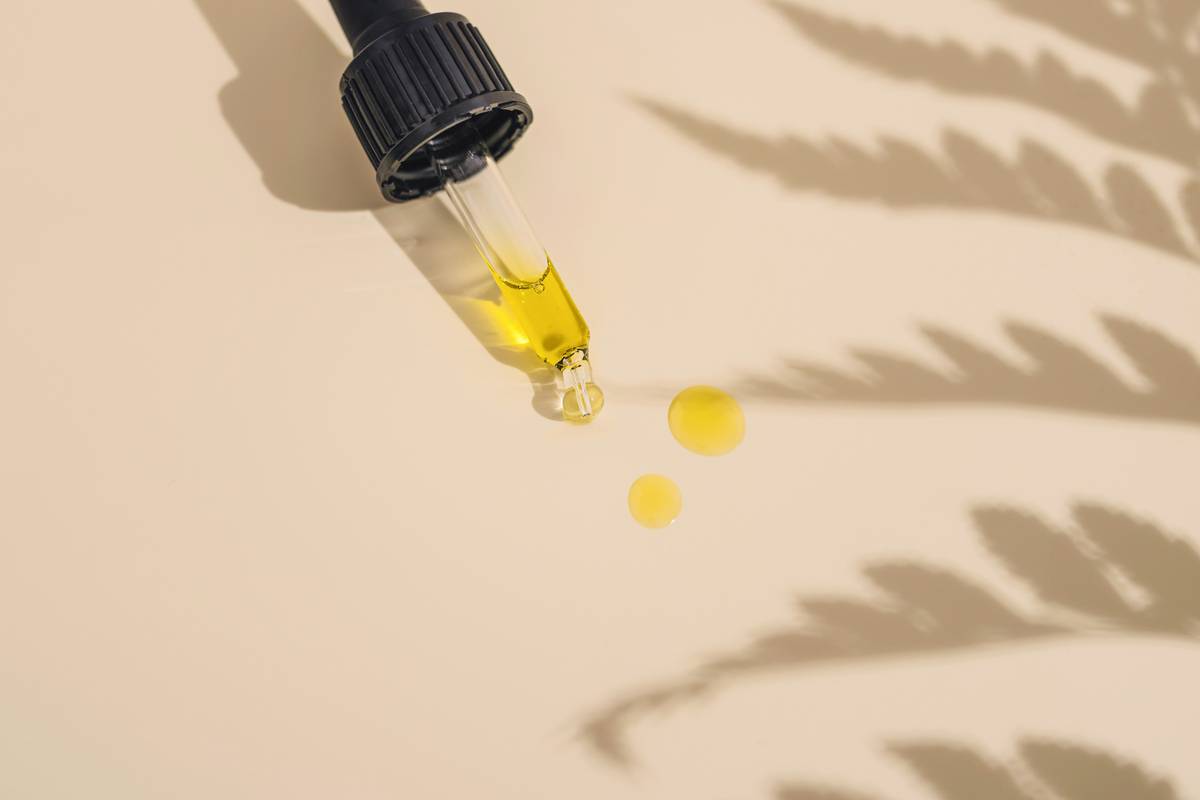
Brands boast about “cold-pressed” or “virgin” oils—but few mention oxidation. Once bottled, most plant oils degrade within weeks unless nitrogen-flushed and stored in amber glass. I’ve seen clinical trials where rancid oils increased transepidermal water loss by 22% in just 14 days. Yet they’re still sold as “natural.” Ask your brand: What’s their oxygen exposure protocol? If they can’t answer, walk away.
And—this shocks even seasoned aestheticians—some dermatologists quietly recommend blending their own oils. Not because DIY is trendy. Because stability matters more than sterile packaging.
Frequently Asked Questions
Can you use body oil every day?
Yes—if it’s non-comedogenic and applied correctly. Daily use strengthens the barrier, especially in low-humidity months.
Is body oil better than lotion for dry skin?
Often, yes. Oils deliver pure lipids without water fillers or thickeners that dilute efficacy. But very dehydrated skin may need humectants first.
Should you use moisturizing oil before or after serum?
After—on the body. Body serums are rare; if used, apply oil last to seal everything in. On face? Different rules apply.