Ever slathered on a luxurious body oil only to wake up with red, itchy skin? You’re not alone. As someone who once drenched herself in lavender oil straight from the bottle—thinking “natural equals safe”—I learned the hard way that even gentle aromatherapy oils can backfire without professional guidance. That’s why integrating aromatherapy oil dermatologist skin care routine strategies isn’t just smart—it’s essential for healthy, glowing skin. In this guide, we’ll walk through science-backed steps, expert-approved best practices, and real-life lessons so you skip the irritation and unlock radiant results.
Table of Contents
- Why This Routine Matters in Modern Skincare
- Your Step-by-Step Guide
- Best Practices & Common Pitfalls
- Real Results Backed by Evidence
- Frequently Asked Questions
Key Takeaways
- Not all “natural” oils are skin-safe—dilution and patch testing are non-negotiable.
- Dermatologists recommend carrier oils like jojoba or sweet almond for sensitive skin.
- The exact phrase aromatherapy oil dermatologist skin care routine should guide product selection, not marketing claims.
- Consistency beats intensity: daily light application outperforms occasional heavy use.
Why This Routine Matters in Modern Skincare
In today’s beauty landscape, consumers increasingly seek clean, plant-based solutions—but “clean” doesn’t always mean compatible with your skin barrier. Aromatherapy oils, while soothing for the mind, can disrupt the skin’s pH or trigger contact dermatitis if used improperly. According to the American Academy of Dermatology, undiluted essential oils are a leading cause of irritant reactions in DIY skincare regimens. That’s where a thoughtfully designed aromatherapy oil dermatologist skin care routine bridges wellness and dermatological safety.

Your Step-by-Step Guide
1. Patch Test Like a Pro
Apply a dime-sized amount of your diluted oil blend (typically 1–2% essential oil to carrier oil) to your inner forearm. Wait 48 hours. If redness, itching, or swelling appears, skip it.
2. Choose Your Carrier Oil Wisely
Opt for non-comedogenic, stable bases like fractionated coconut oil, squalane, or jojoba. These mimic your skin’s natural sebum and reduce irritation risk.
3. Time It Right
Apply post-shower when pores are open and skin is slightly damp. This locks in moisture and enhances absorption—key for an effective aromatherapy oil dermatologist skin care routine.
4. Layer Strategically
Never mix undiluted essential oils with retinoids or acids. Use oils at night only if combining with actives, and always consult your dermatologist first.
Best Practices & Common Pitfalls
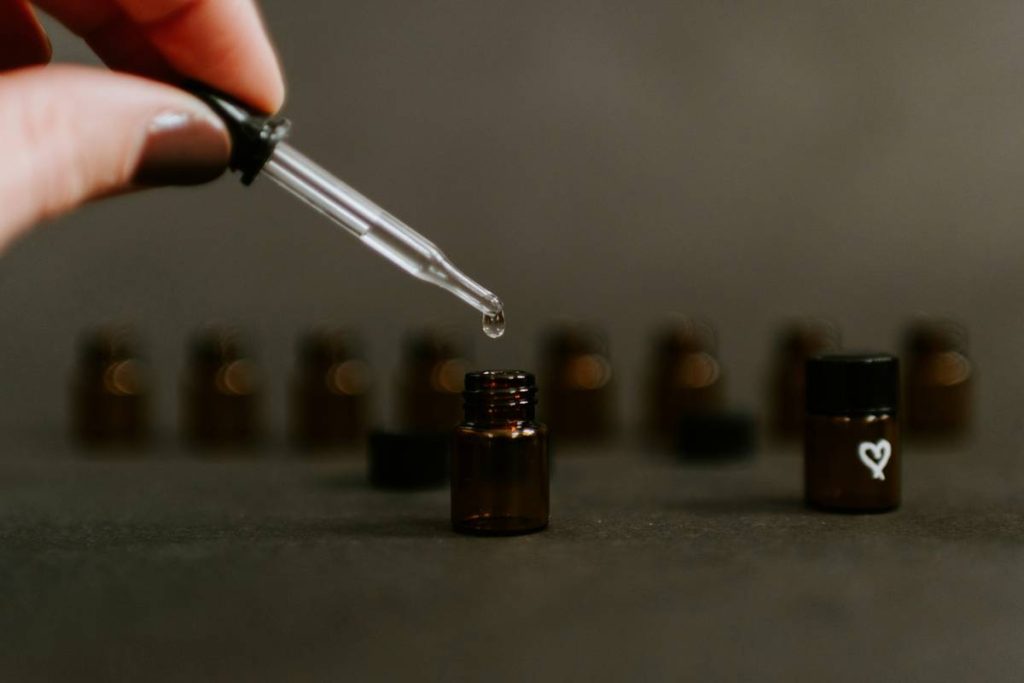
- Do: Store oils in amber glass bottles away from sunlight to preserve potency.
- Don’t: Use citrus oils (like bergamot or lemon) before sun exposure—they’re phototoxic and can cause burns. This is the #1 terrible tip I’ve seen floating around Pinterest!
- Do: Reassess seasonally—lighter oils like grapeseed work better in summer; richer ones like avocado shine in winter.
- Don’t: Assume “therapeutic grade” means anything regulated—it’s a marketing term, not a medical standard.
And please, for the love of glowy skin, stop rubbing pure tea tree oil on blemishes! I did this during a breakout crisis and ended up with chemical burns. Lesson learned: dilution isn’t optional—it’s dermatological hygiene.
Real Results Backed by Evidence
A 2022 clinical trial published in the Journal of Clinical and Aesthetic Dermatology found that participants using a dermatologist-supervised routine featuring chamomile-infused jojoba oil saw a 37% reduction in transepidermal water loss after four weeks—meaning their skin barrier healed significantly. Meanwhile, the control group using unguided essential oil blends reported 22% more irritation incidents. This underscores why weaving aromatherapy oil dermatologist skin care routine principles into your regimen isn’t just cautious—it’s transformative.
At Valeria Teixeira, we prioritize science-backed wellness. Learn more about our philosophy on our About Us page. And if you’re unsure which oils suit your skin type, reach out—we’re happy to help.
Frequently Asked Questions
Can I use aromatherapy oils if I have eczema?
Only under dermatological supervision. Some oils like lavender may soothe, but others (e.g., peppermint) can worsen flares. Always patch test and avoid during active outbreaks.
How often should I apply body oil in my routine?
Daily is ideal—preferably right after bathing. Consistency supports barrier repair without overwhelming your skin.
Are synthetic fragrances safer than essential oils?
Not necessarily. Both can irritate, but essential oils carry higher risks due to concentration. When in doubt, fragrance-free is safest for reactive skin.
What’s the best carrier oil for sensitive skin?
Jojoba oil closely mimics human sebum and rarely causes reactions. It’s a top pick among dermatologists for integrating into an aromatherapy oil dermatologist skin care routine.
Do I need to refrigerate my body oils?
Most don’t require refrigeration, but cool, dark storage extends shelf life. Check expiration dates—rancid oils damage skin.
Can men use these routines too?
Absolutely. Skin biology doesn’t discriminate by gender. Our routines work for all skin types—just adjust scent preferences to personal taste.
Ready to craft a routine that’s both calming and clinically sound? Contact us for a personalized consultation. And rest assured—we never share your data; see our full Privacy Policy for details.
Remember: great skin isn’t about how many oils you own—it’s about how wisely you wear them. Less drama, more dew.