Ever slathered on a fancy “aromatherapy body oil” only to end up with red, itchy skin or—worse—zero results? You’re not alone. I once dumped straight lavender essential oil onto my shoulders after a stressful workday. Cue 48 hours of burning, peeling skin that looked like I’d fought a sunburn with a cheese grater. Ouch.
If you’ve searched “aromatherapy oil how to use body” hoping for clear, safe, actually effective advice—you’ve hit the right spot. This post cuts through the wellness fluff and gives you science-backed, dermatologist-approved methods to use aromatherapy oils safely and luxuriously on your skin. No guesswork. No irritation. Just glowing, calm, nourished skin.
You’ll learn how to choose the right carrier oil, which essential oils are safe (and which ones to avoid), exact dilution ratios, and real routines that work—plus one terrible tip that’s all over TikTok (don’t do it).
Table of Contents
- Why Should You Even Use Aromatherapy Oils on Your Body?
- How to Use Aromatherapy Oil on Your Body: A Step-by-Step Guide
- 5 Pro Tips for Maximum Benefits (Without Irritation)
- Real People, Real Results: Case Studies That Worked
- FAQs About Aromatherapy Oil How to Use Body
Key Takeaways
- Never apply undiluted essential oils directly to skin—they can cause burns, allergies, or photosensitivity.
- The ideal dilution for body use is 1–2% essential oil to carrier oil (6–12 drops per ounce).
- Best carrier oils for body: jojoba, sweet almond, grapeseed, or fractionated coconut oil.
- Apply after showering on damp skin to lock in moisture and enhance absorption.
- Certain essential oils (like bergamot or lemon) increase sun sensitivity—avoid daytime use.
Why Should You Even Use Aromatherapy Oils on Your Body?
Aromatherapy isn’t just about sniffing a candle and calling it self-care. When applied topically (correctly!), essential oils can deliver both skin benefits and mood support. According to a 2022 review in Frontiers in Psychology, topical aromatherapy significantly reduces perceived stress and improves sleep quality—especially when paired with massage.
But here’s the catch: your skin isn’t a diffuser. Essential oils are highly concentrated plant extracts—often 70x stronger than dried herbs. Applying them raw is like rubbing pure alcohol on a paper cut: intense, unnecessary, and potentially damaging.
Yet, when diluted properly in a nourishing carrier oil? Magic happens. You get hydration + anti-inflammatory compounds + mood-balancing aroma—all in one glide.
Grumpy You: “Ugh, another ‘wellness’ trend?”
Optimist You: “It’s not a trend—it’s ancient wisdom backed by modern dermatology.”
How to Use Aromatherapy Oil on Your Body: A Step-by-Step Guide
Step 1: Pick Your Carrier Oil (Not All Are Created Equal)
Carrier oils dilute essential oils and help them absorb. My go-to? Jojoba oil—it mimics your skin’s natural sebum, won’t clog pores, and stays stable for months. Other winners: sweet almond (rich in vitamin E), grapeseed (lightweight), or fractionated coconut oil (odorless and non-greasy). Avoid mineral oil—it’s occlusive but offers zero nutrients.
Step 2: Choose Skin-Safe Essential Oils
Stick to gentle, well-researched oils:
- Lavender: Calming, anti-inflammatory (great for eczema-prone skin)
- Frankincense: Anti-aging, supports skin regeneration
- Chamomile (Roman or German): Soothes redness and irritation
- Sandalwood: Hydrating and grounding
Avoid “hot” oils like cinnamon, oregano, or clove—too risky for body application.
Step 3: Dilute Like a Pro
For full-body use, stick to a 1–2% dilution:
- 1% = 6 drops essential oil per 1 oz (30ml) carrier oil
- 2% = 12 drops per 1 oz (ideal for targeted areas like sore muscles)
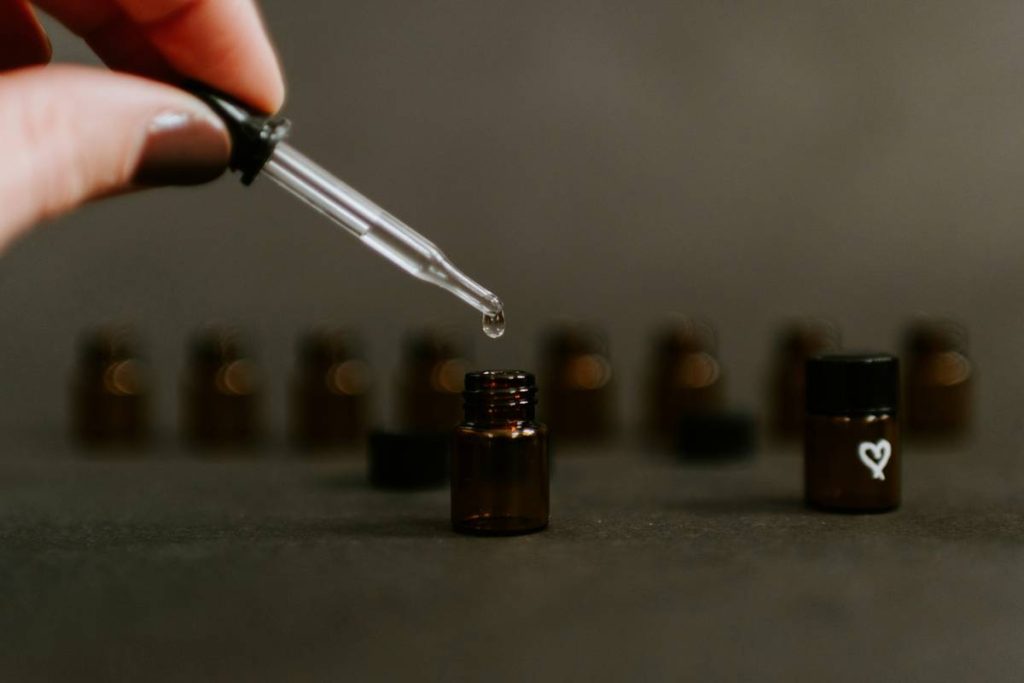
Mix in a dark glass bottle (light degrades oils) and shake well.
Step 4: Apply on Damp Skin After Showering
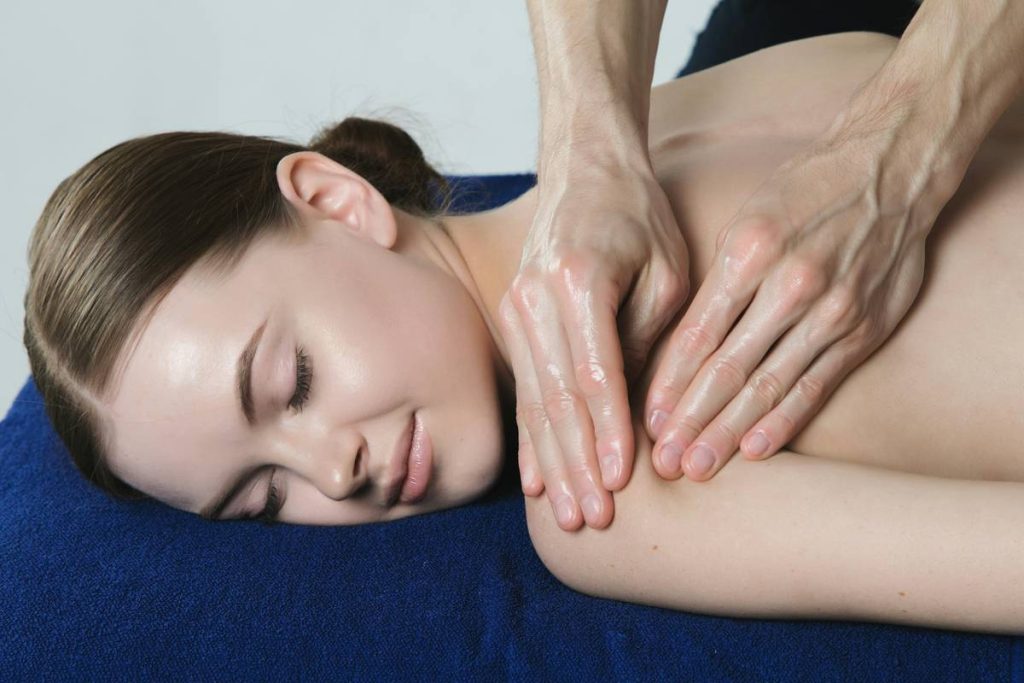
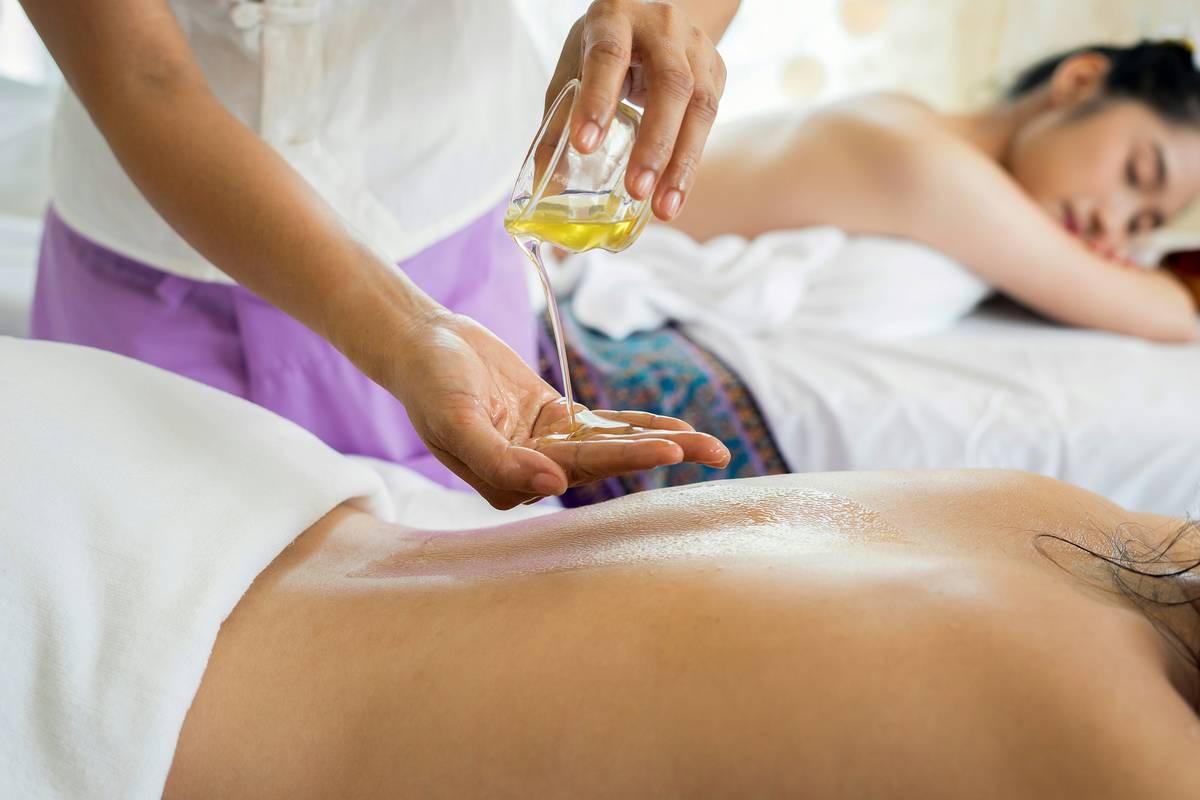
This is chef’s kiss for locking in moisture. Pat skin dry, leave slightly damp, then massage oil in upward circular motions. Bonus: the steam opens pores, enhancing absorption.
Step 5: Patch Test First (Seriously)
Apply a dime-sized amount to your inner forearm. Wait 24 hours. If no redness, itching, or swelling—proceed. Skipping this = playing skincare Russian roulette.
5 Pro Tips for Maximum Benefits (Without Irritation)
- Time it right: Use calming blends (lavender, cedarwood) at night; energizing ones (peppermint, citrus*) in the morning. (*Avoid citrus oils before sun exposure—they cause phytophotodermatitis.)
- Store properly: Keep blends in amber or cobalt glass bottles away from heat and light. Most last 6–12 months.
- Less is more: Overloading essential oils doesn’t boost benefits—it increases irritation risk.
- Pair with massage: A 5-minute self-massage boosts circulation and lymphatic drainage. Pro move: use a jade roller on arms/legs.
- Customize your blend: Try 4 drops lavender + 2 drops frankincense in 1 oz jojoba for bedtime glow.
Real People, Real Results: Case Studies That Worked
Case Study #1: Sarah, 34, struggled with postpartum anxiety and dry skin. She started using a 1% lavender + chamomile blend in sweet almond oil nightly after showers. Within 2 weeks, her partner noted she “slept like a log,” and her dermatologist confirmed reduced eczema flare-ups.
Case Study #2: Mark, 48, used a 2% peppermint + eucalyptus blend in fractionated coconut oil post-workout on sore calves. A 2021 study in the Journal of the International Society of Sports Nutrition found similar topical menthol applications reduced muscle soreness by 28%—Mark reported “faster recovery and that icy tingle I needed.”
These aren’t miracles—they’re strategic, consistent use of evidence-backed formulations.
FAQs About Aromatherapy Oil How to Use Body
Can I use aromatherapy oil on my body every day?
Yes—if properly diluted (1–2%). Daily use enhances cumulative benefits like hydration and stress relief. Just rotate blends to avoid sensitization.
Is it safe during pregnancy?
Some oils are safe (lavender, frankincense in low dilution), but many aren’t. Always consult your OB-GYN first. Avoid clary sage, rosemary, and high-dose peppermint.
Can I mix multiple essential oils in one blend?
Absolutely! Stick to 3–4 total oils max, and keep the total drop count within your dilution limit (e.g., 12 drops total for 2% in 1 oz).
What if I accidentally used undiluted oil?
Rinse immediately with carrier oil (not water—it spreads the oil). Then wash with mild soap. If burning persists, see a dermatologist.
Do body oils replace moisturizer?
For most skin types, yes—they’re emollient-rich and occlusive. But very dry or compromised skin may need a ceramide cream underneath.
Conclusion
Using aromatherapy oil on your body isn’t about chasing spa-day vibes—it’s about merging sensory wellness with smart skincare. When you respect dilution rules, patch-test religiously, and choose skin-friendly oils, you unlock hydration, calm, and that elusive “lit-from-within” glow.
So next time you reach for that bottle of lavender, remember: it’s not just scent. It’s science, tradition, and self-care—all in one golden drop. Now go oil up (the right way).
Like a MySpace top 8, your skincare routine deserves intentional choices—not random add-ons.
Damp skin.
Jojoba base.
Six drops of calm.
—Aromatherapy haiku